Solar PPA and Its Role in Improving Factory Energy Efficiency
Electricity is one of the largest operating costs for Thai manufacturers. Production lines, cooling systems, compressors and lighting run for long hours, and every tariff change shows up on the monthly bill. A solar power purchase agreement (PPA) offers a practical way to control these costs without a large upfront investment.
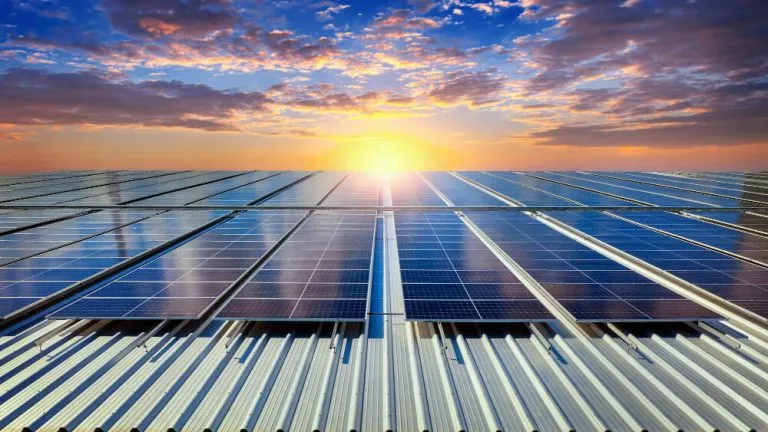
A solar PPA for factories (known as ppa สำหรับโรงงาน in Thai) is a long-term contract between a factory and a solar developer. The developer designs, installs, owns and maintains a solar system, usually on the factory roof or nearby land. The factory buys the electricity the system produces at an agreed rate per kilowatt-hour, often set below the grid tariff. Contracts typically run for 10 to 25 years.
Thailand suits this model well. The country receives strong sunlight for most of the year, and industrial demand peaks during the day, when solar output is highest. This close match between generation and consumption makes a PPA for factories in Thailand a sound option, from the Eastern Economic Corridor to industrial estates in the north and northeast.
How a Solar PPA Lowers Energy Costs
Thai industrial tariffs combine a base rate with the Ft (fuel adjustment) charge, which moves with fuel prices. When gas prices rise, the Ft follows. A solar PPA fixes or caps the price for part of your electricity. This brings several benefits:
- Predictable costs: A set rate across the contract term simplifies budgeting.
- Lower peak-hour spending: Solar output covers daytime load and reduces power bought at higher on-peak rates under time-of-use tariffs.
- No capital outlay: The developer funds the system, so you keep cash for production equipment.
- No maintenance burden: Cleaning, monitoring and repairs remain the developer’s responsibility.
How It Improves Energy Efficiency
A PPA does not change how machines use power. It does, however, encourage better energy management. Most solar systems include real-time monitoring, so you can view generation and consumption side by side.
Use this data to:
- Shift loads to daylight hours. Schedule energy-heavy processes, such as compressors, pumps or batch heating, when solar output peaks.
- Identify waste. Spot equipment running during idle periods or at weekends.
- Reduce peak demand charges. Lower grid draw at peak times cuts the demand component of the bill.
- Plan upgrades. Put PPA savings towards efficient motors, LED lighting or variable speed drives.
Supporting Thailand’s Climate Targets
Thailand aims for carbon neutrality by 2050 and net zero emissions by 2065. Export manufacturers also face growing pressure from overseas buyers to report and reduce emissions, particularly under schemes such as the EU’s Carbon Border Adjustment Mechanism. Solar electricity lowers Scope 2 emissions and gives factories verifiable data for sustainability reporting.
Points to Review Before Signing
Check these items carefully:
- Roof condition and remaining lifespan
- Contract length and price escalation terms
- Ownership transfer options at the end of the term
- Grid connection approval from the provincial or metropolitan electricity authority
- Performance guarantees and responsibility for downtime
A solar PPA gives Thai factories access to cleaner, lower-cost electricity with limited financial risk. Paired with active energy monitoring, it becomes a practical tool for cutting costs, improving efficiency and meeting emissions goals.