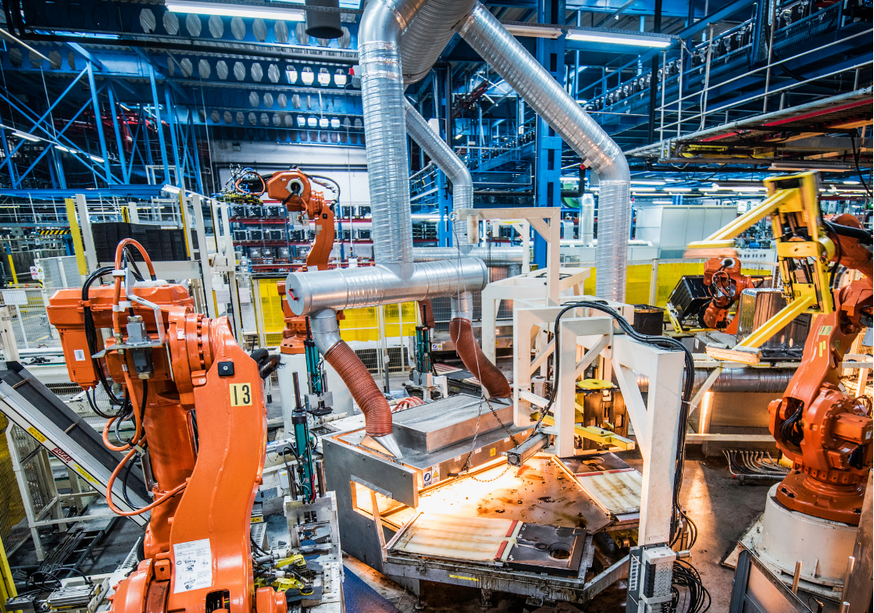
In today’s rapidly evolving industrial landscape, manufacturing automation has become not just an advantage but a necessity for businesses striving for efficiency, cost reduction, and competitiveness. The process of automating manufacturing operations is no longer a futuristic concept; it is a present-day reality that is revolutionizing the industry. From reducing human error and increasing productivity to enhancing precision and enabling scalability, automation offers manufacturers a broad spectrum of benefits. However, as with any complex process, there are critical strategies and best practices that determine the success of manufacturing automation. Adopting these best practices ensures that the transition to automation is smooth and maximizes return on investment.
1. Align Automation with Strategic Goals
The first step in successful manufacturing automation is aligning automation initiatives with the company’s strategic goals. Automation should not be viewed as a standalone solution but as a component of a broader manufacturing strategy. Before investing in new technologies or processes, it is crucial for businesses to evaluate their long-term goals, production needs, and pain points.
A strategic approach ensures that automation efforts address specific business objectives, whether it’s improving quality, increasing production speed, reducing costs, or enhancing flexibility. For example, a company aiming for reduced operational costs might focus on automating labor-intensive tasks, while a company looking to improve product consistency might prioritize automation technologies that enhance precision and quality control. By aligning automation with these overarching goals, businesses can avoid unnecessary investments and ensure that the technology chosen fits their operational needs.
2. Invest in Scalable Automation Solutions
Scalability is one of the most important considerations when adopting automation technology. The manufacturing industry is dynamic, with changing demands, production volumes, and product lines. As such, automation systems must be flexible and scalable to adapt to shifting needs without requiring a complete overhaul of existing infrastructure.
One key to ensuring scalability is choosing automation solutions that can easily be upgraded or expanded. For example, modular robotic systems or programmable logic controllers (PLCs) allow manufacturers to add components or modify processes as necessary, without disrupting production. This approach minimizes downtime and allows businesses to respond swiftly to market changes.
Additionally, scalable automation systems often offer integration capabilities with existing equipment, which can help companies reduce the costs and challenges associated with upgrading older systems.
3. Incorporate Real-Time Data and Analytics
One of the most powerful features of modern manufacturing automation is the ability to collect and analyze real-time data. By incorporating data-driven insights into the automation process, manufacturers can improve decision-making, optimize workflows, and reduce downtime.
For instance, using sensors to track machine performance in real time allows businesses to predict when equipment will need maintenance, reducing the risk of unexpected failures. This predictive maintenance not only minimizes downtime but also extends the lifespan of machines. Furthermore, data analytics can identify inefficiencies in production lines, allowing for targeted interventions that boost performance.
To take full advantage of real-time data, manufacturers should invest in integrated systems that connect all equipment on the shop floor, creating a central hub for data collection and analysis. Advanced analytics tools can then provide actionable insights that drive continuous improvement.
4. Ensure a Strong Human-Machine Collaboration
While automation can perform many tasks faster and more accurately than humans, the role of human workers in an automated environment remains crucial. One of the best practices for manufacturing automation is fostering a strong collaboration between humans and machines. Automation technologies should be viewed as tools to augment human capabilities, not replace them entirely.
Training employees to work alongside automated systems is critical for maximizing productivity. Operators and technicians should be equipped with the skills to monitor automated processes, troubleshoot problems, and make adjustments when necessary. In addition, automation should be designed to allow for easy human intervention in case of malfunctions or deviations from the standard process.
By focusing on collaboration rather than replacement, manufacturers can leverage the strengths of both humans and machines. Humans bring critical thinking, creativity, and problem-solving skills, while machines provide precision, speed, and consistency.
5. Maintain Flexibility in Automation Design
Manufacturing environments often deal with a range of products, varying production volumes, and fluctuating customer demands. For automation to be truly effective, it must be adaptable to these changing circumstances. Designing flexible automation systems is a key best practice that can help manufacturers adjust to market fluctuations or unexpected challenges without extensive reprogramming or reconfiguration.
Flexible automation systems might include robotic arms capable of performing multiple tasks, adjustable production lines, or software that can be easily reconfigured for different products. For example, a manufacturer of consumer electronics may need to shift between assembling various models quickly. A flexible automation system ensures that production lines can be adjusted swiftly to accommodate different specifications or components without significant downtime.
Flexibility also extends to the integration of new technologies. As industries evolve and new tools are developed, manufacturers must be able to incorporate cutting-edge innovations into their existing automation systems. A flexible automation design ensures that manufacturers are not locked into outdated technology and can continuously improve operations.
6. Prioritize Cybersecurity and Data Protection
As automation systems become more connected and reliant on data, the risk of cyber threats increases. Cybersecurity must be a top priority to protect sensitive data, intellectual property, and manufacturing processes from external attacks or internal breaches.
One of the best practices for ensuring robust cybersecurity in automated manufacturing environments is to implement strong encryption protocols and firewalls to protect data transmitted across networks. Additionally, companies should invest in cybersecurity training for employees to help them identify potential threats and follow best practices for safeguarding digital assets.
Furthermore, regular audits and updates to security software and hardware ensure that automation systems remain resilient to new and emerging cyber threats. Manufacturers should also consider investing in secure cloud storage or on-premises data protection systems to safeguard operational data.
7. Focus on Continuous Improvement and Adaptation
The process of automating manufacturing is not a one-time task but an ongoing journey of improvement. Continuous adaptation to new challenges, opportunities, and technologies is critical for sustained success. Therefore, it’s important for manufacturers to implement systems that facilitate continuous improvement within their automated operations.
Continuous improvement can take many forms, from optimizing the configuration of automated systems to introducing new technologies that enhance productivity. A key part of this process is gathering feedback from employees, operators, and managers to identify bottlenecks or inefficiencies in the automated processes. Regularly reviewing performance data and setting clear performance metrics can help manufacturers identify areas for improvement and fine-tune their automation systems over time.
Another aspect of continuous improvement is the ongoing training of the workforce. As automation technology evolves, so too must the skill sets of the employees who operate and maintain it. Ensuring that workers are consistently trained on new developments in automation technology not only improves efficiency but also reduces the risk of errors and accidents.
8. Invest in Comprehensive System Integration
Automation systems often involve a variety of different technologies working together, from robots and sensors to software platforms and data analytics tools. To achieve the maximum benefit from these technologies, it is essential to ensure that they are seamlessly integrated into one unified system. System integration allows manufacturers to eliminate silos of information, streamline workflows, and enhance collaboration between different parts of the production process.
Manufacturers should invest in automation systems that are compatible with other systems across the factory floor, including enterprise resource planning (ERP) and supply chain management systems. Integration ensures that data flows smoothly across all departments and helps managers make more informed decisions. Moreover, it helps prevent costly errors and redundancies that may arise when systems operate in isolation.
Conclusion: Automation as a Strategic Asset
Manufacturing automation, when implemented strategically, is an invaluable asset that can propel businesses toward greater efficiency, lower costs, and higher-quality production. However, automation must be approached thoughtfully, with attention to factors such as scalability, human-machine collaboration, continuous improvement, and robust cybersecurity practices.
By aligning automation with business goals, designing flexible systems, utilizing real-time data, and focusing on continuous adaptation, manufacturers can ensure that their automation initiatives are not just successful in the short term but provide long-term value. In an increasingly competitive global marketplace, those who embrace automation as a strategic tool will be best positioned for sustained growth and innovation.